
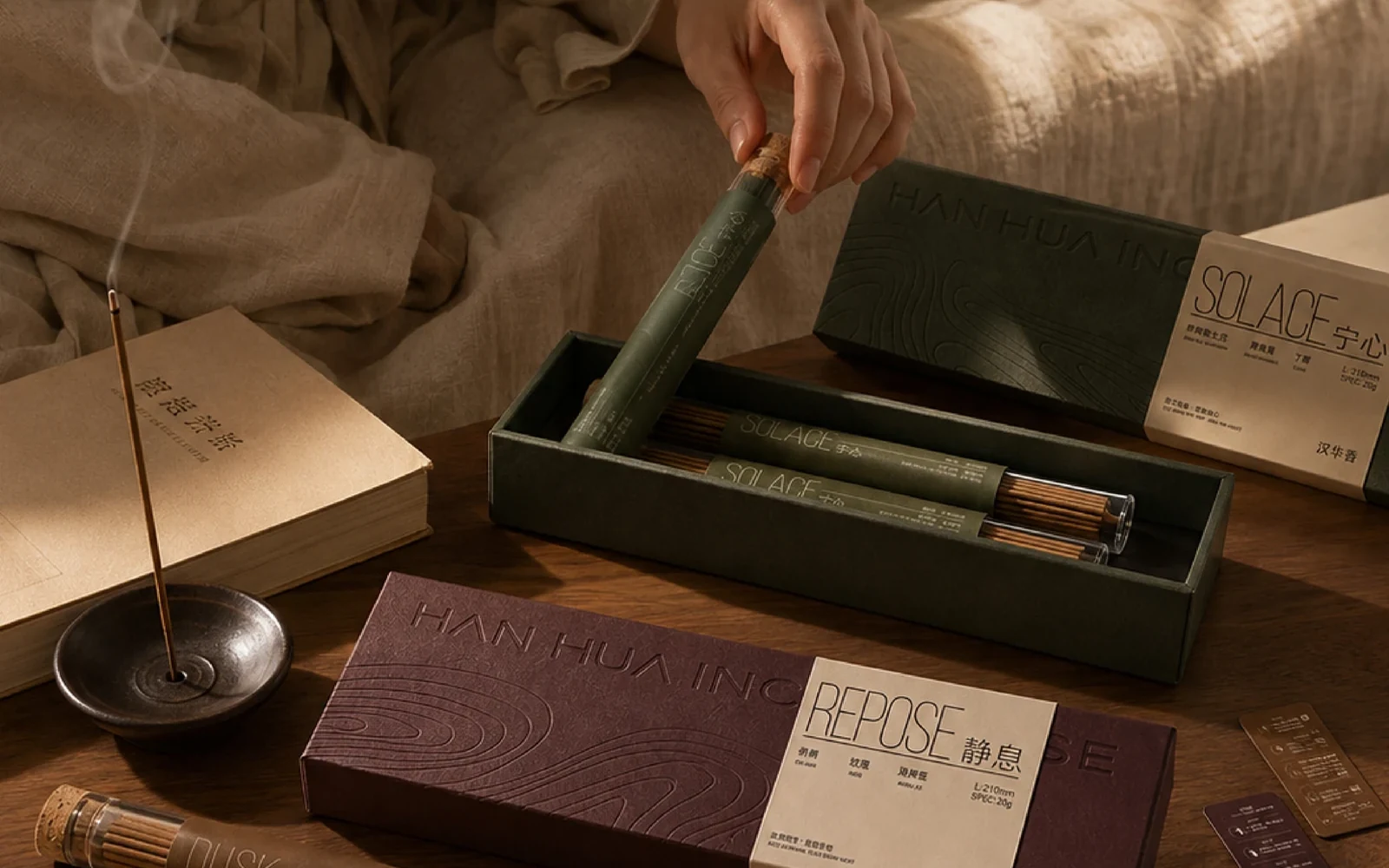
A mock-up is not a production file
A mock-up supports direction review, but does not replace artwork, an accurate dieline or production requirements. Folds, joins and text direction can affect the physical result even when they are absent from the presentation. Confirm the design version, product and dieline before proofing. General approval of the appearance does not mean that every product fact has been checked.
For example, trial and standard sizes may look similar in a mock-up while using different weights, barcodes and back labels. Put the product, size, artwork revision and dieline revision together, and ask the recipient to confirm them. Resolve mismatches against the product records before proofing. Print quality can only be assessed meaningfully when everyone is checking the same pack.
Give each check an owner
The client verifies names, specifications, ingredients and required production or legal information. Dielines, dimensions, materials and printing conditions need the production partner’s confirmation. Design checks that approved content is correctly placed and does not conflict with structural areas. These responsibilities work together but are not interchangeable. Record unresolved fields and hold the affected output until they are settled.
Use three columns: product facts for the business, structure and process for production, and layout and files for design. Give each a named owner and open questions. A material change may reopen colour and finishing checks; an ingredient change reopens the back-label review. Retain approvals for unaffected parts and recheck those touched by the change, rather than treating a general approval as covering every responsibility.
Review the object in use
Inspect the sample in the sequence someone would pick up, open, turn and put it down. Look for folds hiding information, unreadable small text and substantial image or colour differences. Material strength, structural load, transport and specialised testing remain matters for qualified production or technical reviewers. A visual review cannot establish performance or regulatory compliance.
Inspect twice. First, at a normal viewing distance, find the brand, product, size and opening without explanation. Then compare the physical back, folds, seal and details with the artwork. Check QR codes and barcodes on the actual sample using appropriate equipment; a photograph is not enough. Describe colour concerns by location and reference sample so production knows what to investigate.
Close the version loop
Record sample issues in one list with locations and owners. Reissue a clearly identified file after changes and mark the previous version as superseded. Otherwise production may receive a correction while retaining an older base file. Confirm design, proofing, printing and logistics responsibilities separately. An approved sample is useful evidence for that stage, not a guarantee of an entire production run.
Separate text corrections, visual changes and production changes. A punctuation fix and a new dieline do not need the same review. Identify what changed and what remains approved, and ask production to confirm that the previous file is no longer in use. Email, shared storage and chat should point to the same current revision rather than competing copies.
Send the proofing priorities
Identify areas needing attention, such as text near openings, graphics across joins or small specifications, and confirm the received version. This guides the proofing discussion without replacing production expertise. If a check needs the actual product inside, inspect under that condition rather than drawing a conclusion from an empty pack photograph.
A useful request identifies the product, material, areas to inspect, reference sample, approver and feedback date. Mark missing information explicitly. Review the returned sample against the same list, adding new findings separately. Leave unchecked items open rather than treating the arrival of a sample as completion. The next proof can then be compared with a clear record.