
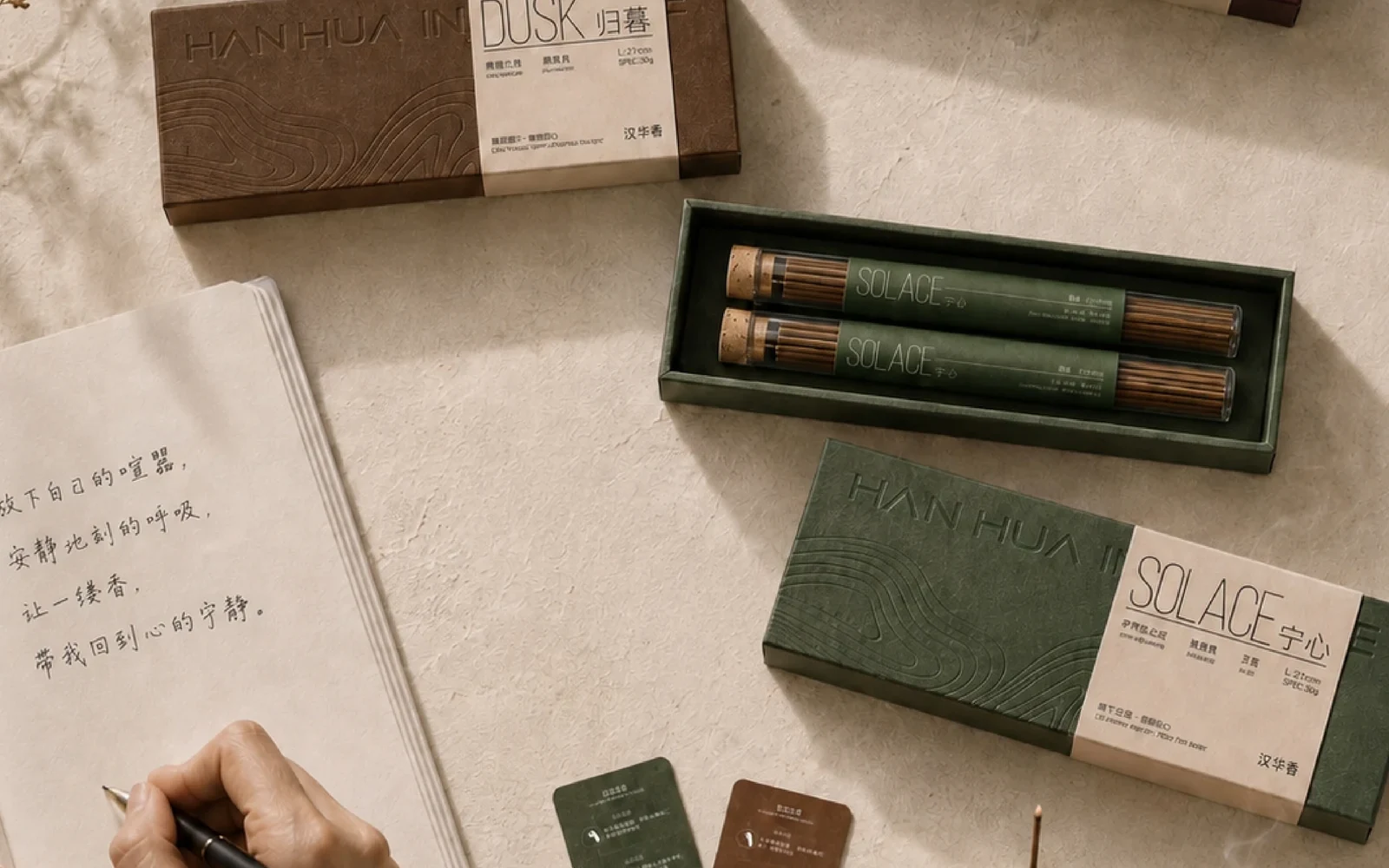
Define the product being updated
Begin with the priority product: its category, specifications, intended customers and sales channels. These affect what the front panel should communicate first and whether the design needs to work primarily on a shelf, in an online listing or during a face-to-face introduction.
If the range contains several products, identify the one that will establish the direction and the variants that will follow it. Label packaging files as current, due for replacement or reference only. The designer needs to know exactly which version the project is changing.
Describe the main problem with the current pack. Customers may not recognise the category, several benefits may compete for attention, or variants may be difficult to distinguish. References help when you explain what matters in them: clear information, recognisable identity or the treatment of materials and finishes.
Turn product facts into usable inputs
Provide existing documentation for the product name, ingredients, specifications, origin, process, instructions and storage requirements. Separate information that must remain from optional communication. This helps prevent repeated changes when a spoken introduction and a product document describe different things.
A proposed selling point also needs its basis. What an ingredient offers and why a customer would care are connected but separate questions. Its origin, processing and relevance to use should follow the available product information, giving writing and design a clear basis for the explanation.
For foods, nutritional products or medical-related products, clarify the category, current label and approved wording. Having the product lead check key text before the designer establishes its hierarchy is generally smoother than replacing central information after the layout is complete.
Clarify dimensions and production conditions early
Supply the current dieline, dimensions, material and finishing requirements, including how the pack folds, seals and opens. Areas that appear adjacent in a flat file may occupy different faces in the finished pack. Barcodes, seams and glue areas also influence the space available for text and graphics.
If the supplier has not been selected, distinguish known requirements from open questions. Dimensions taken from a reference pack should not appear to be confirmed production dimensions. Identify the dieline to use, when it can be confirmed and who will coordinate with production.
Connect design approval to the prototype stage. Allow for checking text, placement, materials and the physical result. An on-screen mockup cannot answer every question raised by the finished object.
Bring the brand and selling context into the brief
Alongside product facts, provide usable logo files, existing type and colour rules, current packaging and key sales images. A packaging update does not always require abandoning established recognition. Explain which relationships should remain before deciding what needs to change.
Photographs can clarify how a product sits on a shelf, how it is usually photographed for online sales and which face a customer encounters first. They help design reflect actual viewing conditions. If photographs are unavailable, describe the sales process and questions customers commonly ask.
Finish with a practical task sheet
Organise the inputs into four groups: product facts, production requirements, brand and design references, and approvals. Record the files available, their versions, what is missing and who will provide it. The material does not need a polished presentation; it needs to be findable, distinguishable and easy to discuss.
Confirm the main product and range scope, the person consolidating feedback, the product-information approver, and the expected usage and prototype dates. Some inputs can arrive during design; others determine the direction or dimensions and must be settled first. Separating them makes the next available task clear.
The aim is a shared understanding of the same product. With clear inputs, the discussion can concentrate on reasons to buy, reading order and visual expression instead of repeatedly guessing what the product requires.